Generative AI: What Is It and Is It a Danger to Us?

Artificial intelligence contributes heavily to the battle of cyber-threats versus cybersecurity, on both sides of the war.

As the popularity of AI rose, different “models” of AI have developed consequently. One is Generative AI, which refers to a type of artificial intelligence that can create brand-new content based on the data it has been trained on.

Is Your Information on People-Finding Websites?

There are hundreds of so-called “people-finding websites” out there, also known as people search sites, and other similar iterations. From Spokeo to Intelius, MyLife, Instant Checkmate, US Search, and even digitized Whitepages — there are a lot of ways to find personal contact information for a small fee. Anyone in the world, available to snoop on.

When Deepfakes Land You in Deep Waters

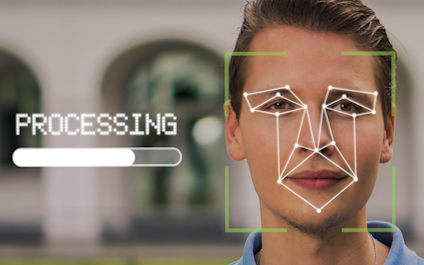
Artificial intelligence has exploded in a brand new way the past couple of years. The emergence of advanced chatbots have helped us all, but complex deepfakes have also given cybercriminals a faster and more effective method for perpetuating their bad acts.

AI can create brand-new malware code in minutes, compared to the hours it would take a threat actor to make one manually. They can take audio and video files of real people (even YOU!) and generate fake clips of them posting, speaking and performing various actions.

When AI Leads to Legal Disputes

Artificial intelligence is now a pervasive part of everyday life. Nearly half of all businesses use AI in their daily practices; have you ever used an AI chatbot to help you write an email or generate new ideas?

It’s very common to use artificial intelligence to assist us with work, school or even personal tasks. By 2030, we expect 729.11M people around the world to use AI tools regularly.

How Do Authenticator Apps Protect Data Privacy?

When it comes to protecting your profiles and credentials, MFA is the best way we currently have to stop hackers from brute-forcing their way into your accounts.

While there are different kinds of MFA, one of most popular choices is to use an authentication app. These useful programs exist on a different device and produce unique, time-sensitive codes to log in after you enter your password.

Is Triple Extortion The Next Big Ransomware?

You’ve heard of ransomware.

Often victims feel pressured to pay the fee…which is when the threat actor uses double extortion to demand an additional fee. Otherwise they threaten to publish all the data they found in the attack.

Now there’s a third layer being added to the mix, to increase pressure on the victim for more, or higher, payments.

Keep your web browser secure with these easy tips

Your employees interact with the internet daily, whether conducting searches or using work applications, making them susceptible to cyberthreats like phishing and malware. These risks can have serious consequences for your business and workforce, and they make prioritizing cybersecurity measures for safer browsing crucial.

New Ransomware Targets Amazon AWS

Do you use Amazon Cloud Storage?

Amazon S3?

If these names sound familiar, then you know about Amazon Web Services. What you might not know their cloud services are being infected with a new, advanced type of ransomware that spells trouble for remote databases everywhere.

Is There A Hacker In Your Smartphone?

Do you have a smartphone on you right now?

If you’re like 4.88B others, then you absolutely do! In fact, because so many people have multiple devices (for instance, one for work and one for personal affairs) there are actually about 7.21B registered smartphones in the world.