When a data breach makes the news, the story usually follows a familiar pattern: What happened? How many records were exposed? Has the affected company issued an apology or explanation? Who can see that stolen data?
What Happens After a Breach?
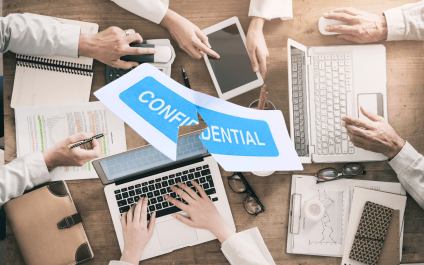

When a data breach makes the news, the story usually follows a familiar pattern: What happened? How many records were exposed? Has the affected company issued an apology or explanation? Who can see that stolen data?
In October 2025, social news platform Reddit filed a federal lawsuit against AI company Perplexity AI and three data-scraping firms in New York.
The argument? Allegedly, Perplexity and its partners collected massive amounts of Reddit’s user-generated content without permission to train Perplexity’s AI “answer engine.”

Smart devices are everywhere. From voice assistants and smart TVs to connected printers, doorbells, and conference room displays, our homes and workplaces are filled with technology designed to make life easier. Many of us use these devices without thinking twice. They’re just part of the background of every day life, now.

Cyber threats don’t stand still. Every year, attackers adjust to new technologies, new work habits, and new defenses. As we move toward 2026, cybersecurity isn’t becoming scarier — it’s becoming more subtle, more automated, and more intertwined with everyday work. That can also make threats harder to spot.
When you think of a cyber-attack potentially affecting your workplace, what comes to mind?
Phishing emails, weak passwords, and unpatched networks get the brunt of the blame, but some of the most damaging breaches don’t start there at all. They start with someone you already trust.

Many times, security incidents don’t start with malicious intent. They start with someone trying to be helpful.
Has something similar happened to you? A coworker locks themselves out of an account and needs access right now. A vendor can’t download a file, so you send it through another channel, like text. Maybe a teammate calls out sick, so you share your login with the temp who fills in for them, “just for today.”
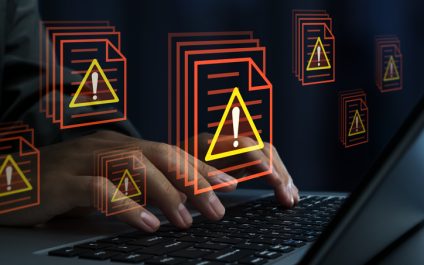
When people hear the term insider threat, they often imagine a disgruntled employee deliberately trying to harm their company. Usually, we assume it’s for greed or revenge. While that can happen, the reality is much harder to detect and avoid.

Did you hear about the recent data breach at the European Space Agency?
Many people assume that a major organization like that can’t be infiltrated. After all, agencies like this work with satellites, rockets, and advanced science. Surely they can afford strong defenses, too? If they can be affected by a cyber incident, what does that mean for everyone else?
Introduction
Firewalls, antivirus software, and monitoring tools are essential parts of modern cybersecurity. Google alone blocks over 15B spam emails every single day.
Despite all of the protective technology in place, however, most breaches don’t begin with a technical failure.
Introduction
Quick chats have become the heartbeat of modern work. We message teammates, summarize meetings, draft emails, and even ask AI tools to help us think through tough problems. Over 987M people interact with AI chat bots for personal and professional reasons.