We bet that you’re a good, hardworking individual who doesn’t want to cause problems for your company. You wouldn’t intentionally leak important information that would compromise the organization in anyway!
The Inside Scoop on Insider Threats


We bet that you’re a good, hardworking individual who doesn’t want to cause problems for your company. You wouldn’t intentionally leak important information that would compromise the organization in anyway!
With the rise of remote work, bring your own device (BYOD) has become more prevalent, allowing employees to use their personal devices for work. But this flexibility introduces new security challenges for companies. The use of personal devices to access work-related data may expose sensitive information to potential threats. Therefore, it’s vital to take proactive […]

Introduction
A new, sinister ransomware is sweeping the web. Dark Power, the nascent evil of worldwide ransomware threat group, has already stolen the personally identifiable information of 10 people in the first month of operations; and threatened to publish that private information if their ransom demands were not met.

Introduction
You’ve probably heard this advice before…
“The Internet is forever!”
Did you take the advice, or roll your eyes? Hopefully you took that to heart, because it happens to be true: What goes up on the Internet will not come down.
Introduction
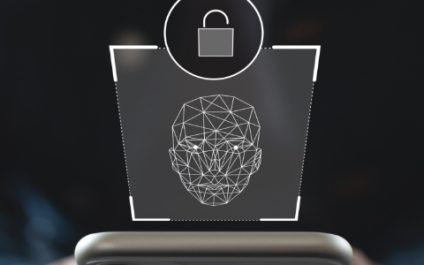
Face ID is just one form of biometric identification that is used in a variety of ways. Sometimes it’s for convenience and sometimes for security. Scanning your face, fingerprint and other unique attributes is a great way to guarantee it’s really YOU logging into your devices, and not a threat actor breaking through your password.
Introduction
What if threat actors could see everything that you did online? Everything you searched, every message you sent, every password you entered?
If your device is infected with the right software, then this nightmare can become all too real!
Keylogging technology records and stores the keystrokes entered on a computer.
Convenience reigns supreme in the digital age, and password autofill is a major part of that. But what many people don’t realize is that using this feature can actually put their personal data at risk. By understanding why password autofill is so dangerous, you can take steps to safeguard your sensitive information from malicious hackers. […]
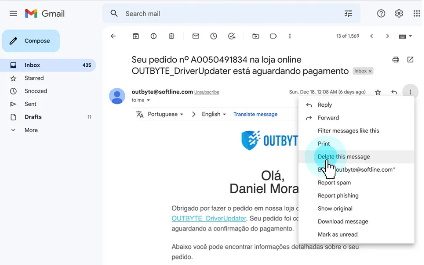
No matter what email platform you use, who you connect with, and where you choose to give out your email address, we all deal with it: Spam messages.
Sometimes, spam is clearly recognizable as fake. Others look like viable sales pitches…and sometimes they’re disguised as phishing messages to make you think that you’re interacting with something or someone that you’re not.
Do you know what a network security key is? Simply put, it’s the password that you need to input before your local network will allow you to connect. Think about your home network: Is there a special WiFi for everyone to use on the premises, and it’s locked so that the network isn’t flooded with passersby?
A lot of cybersecurity awareness revolves around the digital security of all your devices…but how well do you take care of their physical security?
Data breaches don’t just happen when your computer gets infected with malware or you fall for a phishing scam. How often have you done the “phone, keys, wallet” check before you leave a venue? Thieves can steal your laptop out of your bag or your phone from your pocket, too. Then, they can crack your password and steal all your data directly!